

What This Guide Covers
A serious vehicle collision rewrites a person's calendar. There are calls to insurance companies, follow-up appointments with doctors, missed shifts at work, and a slow accumulation of paperwork that no one prepared for. The aim of this guide is plain: to walk through the parts of that process where preparation and steady judgment make the difference between a fair recovery and a frustrating one. None of it is meant as legal advice for any individual situation, but it should give a reader a workable map of the terrain.
The Advocates is a long-standing voice for people hurt in vehicle collisions. We write for the driver who has never been through this before, the passenger who wonders whether the soreness will pass, the parent of a young driver who is suddenly asking grown-up questions about insurance limits and lien letters. The pages here are short, plain, and intended to be read by someone who is tired.
We try to be candid. A claim can take time. An insurer will look for reasons to pay less. A medical bill can arrive months after the appointment that produced it. Recognizing the rhythm of these things, and pairing that with a careful advocate, is what turns a difficult chapter into a manageable one.
Why Working With an Accident Attorney Helps
When a person is hurt in a collision, the question of whether to handle the claim alone or to bring in counsel comes up almost immediately. Adjusters call. Forms arrive. A friend mentions a cousin who once handled a fender bender on her own. For minor scrapes and a quick property-damage settlement, a self-managed claim can work. When injuries are real, when treatment is ongoing, when a back or a neck is involved, the calculus changes.
The clearest, single best step a hurt person can take in those moments is to talk with an accident attorney who handles vehicle collision matters every day. A short, informal call costs nothing in most practices and is the fastest way to learn whether a claim has more layers than it first appeared.
A good advocate does several things at once. They preserve evidence before it disappears: photos of the scene, dashcam files, witness phone numbers, surveillance footage from nearby businesses. They handle the conversations with adjusters, who are trained to ask questions whose answers can later be used to reduce a payment. They line up the medical record so that a doctor's notes, billing codes, and the actual injuries tell a consistent story. They watch the calendar so that no notice deadline slips past.
This is the part most people underestimate: the time and attention required to do a claim well. Treatment alone can take six months. Records requests can take another two. By the time a demand is ready to send, a year may have passed. A self-managed claim asks an injured person to learn a new vocabulary while they are also trying to heal. An advocate takes that load off the table.
What an Accident Attorney Actually Does
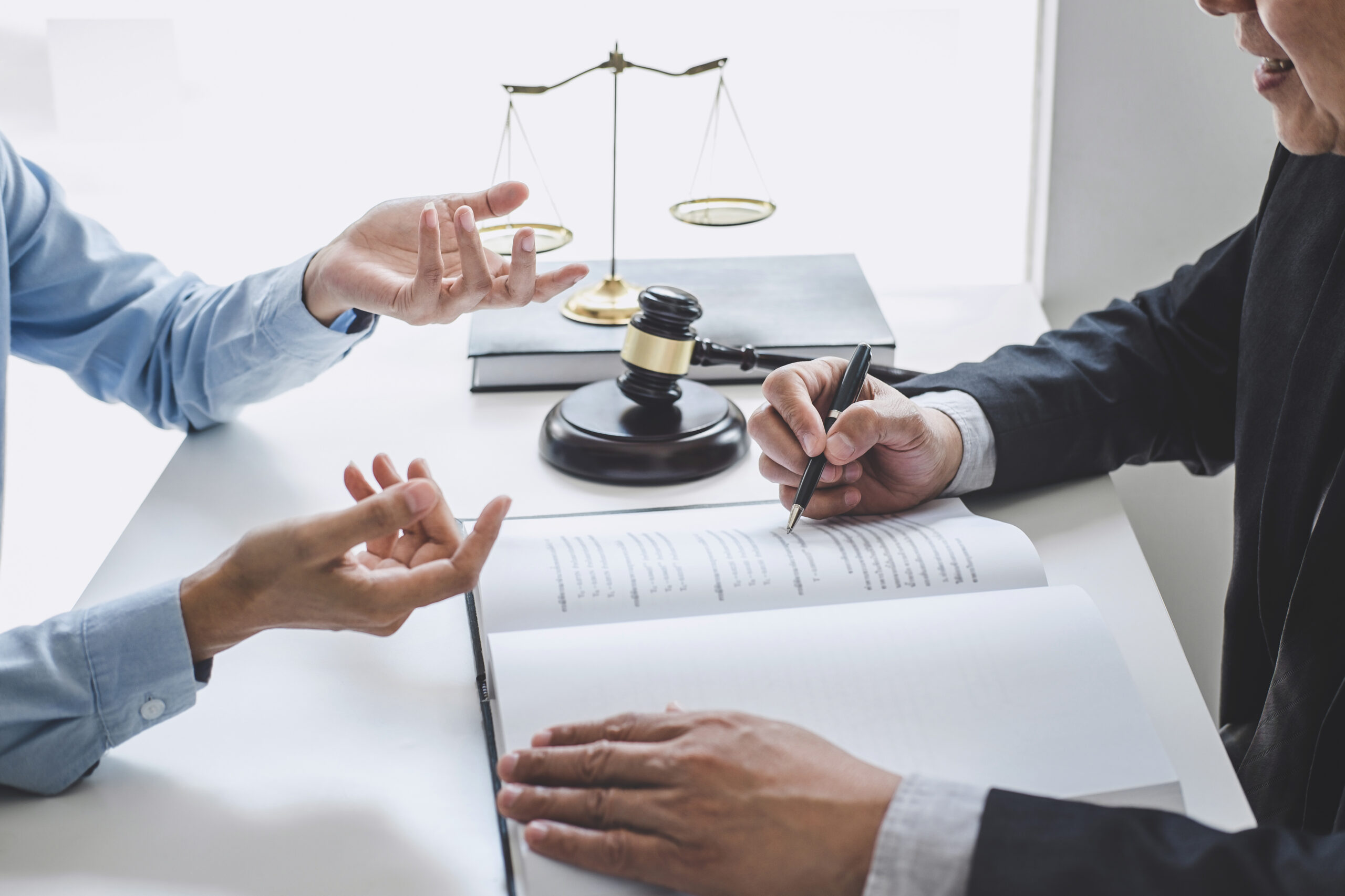
The work of an accident attorney is less dramatic than television suggests. Most days are not spent in courtrooms. They are spent on phone calls, in conference rooms, and in front of stacks of medical records and police reports. The real craft sits in three quiet activities: investigation, communication, and negotiation.
Investigation begins on day one. A skilled accident attorney sends out preservation letters to anyone who might hold relevant evidence: the body shop, the at-fault driver's insurance carrier, the trucking company if a commercial vehicle was involved. The attorney visits the scene, takes photographs of sight lines and skid marks, and pulls records from the responding police department. If a witness left contact information on the report, that person is called early, while memories are still fresh and phone numbers still work.
Communication is the second pillar. Insurance adjusters are professional negotiators. They call quickly after a crash because the earliest statements are often the most useful for limiting payouts. A claimant who has retained counsel can simply route those calls to their advocate. That single change of address for messages tends to slow the pace of the file, which is almost always to the injured person's benefit.
Negotiation is the visible part of the work. It happens in writing through demand letters, in phone calls between counsel and adjusters, and sometimes in formal mediation. By the time a demand is sent, the file has a full medical history, a documented wage loss, an analysis of liability, and an estimate of long-term care needs. The advocate makes the case in calm, careful language and waits for a serious response.

When To Call an Accident Attorney
Some collisions do not need an advocate. A scrape in a parking lot, no injuries, both drivers civil — that file probably closes with a phone call and a check. Other collisions, however, are early warning signs that counsel will be needed soon. A few practical signals:
- An ambulance was called to the scene, even if the ride was refused.
- Any occupant lost consciousness, even briefly, or felt confused afterward.
- Pain that began as soreness has become persistent over a week.
- The other driver's account of what happened keeps changing.
- An insurer has already mentioned a recorded statement or a quick release.
- A commercial vehicle, rideshare, or government vehicle was involved.
- Multiple people were injured and insurance limits may be at issue.
Any one of these is a sound reason to pick up the phone. Most accident attorney practices offer a free initial conversation. It usually lasts twenty minutes and is essentially diagnostic: the attorney listens, asks a handful of pointed questions, and tells the caller honestly whether the matter is worth pursuing. There is no obligation to retain. A reader is welcome to talk to two or three practices before choosing one.
It is reasonable to be cautious. A reader should ask how many vehicle collision matters the practice handles each year, whether the attorney themselves will handle the case or hand it off to staff, and how communication is managed. A practice that struggles to answer those questions is a practice to avoid.
The Cost Question
Nearly every accident attorney works on a contingency fee in vehicle collision matters. The reader pays nothing upfront. The advocate is paid a percentage of the eventual recovery, and only if there is one. Typical contingency percentages fall in a familiar range, with adjustments depending on whether the matter is settled before suit, after suit is filed, or only after trial. The exact figure should be written into the engagement letter, and any reputable practice will be glad to walk through it line by line.
Case expenses are different from the fee itself. Filing fees, court reporter charges, medical record requests, expert opinions, and exhibit preparation can add up. Most practices advance these costs and recover them from the settlement. The engagement letter should explain that arrangement clearly and identify what happens if there is no recovery.
The cost question, in plain terms, is this: a self-managed claim risks leaving money on the table because the claimant lacks experience with adjuster tactics. A represented claim costs a percentage but typically resolves at a higher gross figure. Studies of represented versus unrepresented claims, while not perfectly comparable, consistently point in the same direction.

The Shape of a Vehicle Collision Claim
It helps to know what the road ahead looks like. A typical claim moves through familiar stages. First, the immediate aftermath: emergency care, vehicle towing, and the initial police report. Second, treatment: a series of appointments with primary care, orthopedists, physical therapists, sometimes a neurologist, sometimes a specialist who handles soft-tissue and connective issues. Third, documentation: medical records and bills are gathered, wage loss is computed from pay stubs and employer letters, and the property damage is squared away.
Fourth comes the demand. The advocate writes a detailed letter to the insurer that explains how the crash happened, why their insured is at fault, what the injuries are, what they have cost, and what fair compensation looks like. The insurer responds, often slowly. Negotiation follows. Many claims settle here, after one or two rounds of counter-offers. If the insurer's number is unreasonable, suit is filed and the formal litigation process begins. Most filed cases still settle before trial; only a small fraction reach a jury.
None of this is fast. A simple, well-documented file might wrap in nine months. A complex one, with multiple defendants or disputed liability, can take two or three years. Patience is part of the work. So is communication. A reader should hear from their advocate regularly, not because a settlement is imminent, but because they have a right to know how their file is moving.
How To Start a Conversation With Counsel
Beginning is simple. Gather what is available — the police report number, the other driver's insurance information, any photos taken at the scene, the names of treating providers. Write down a short version of what happened, while it is still fresh. Then call an advocate. The first conversation is meant to surface, not to commit. The reader leaves with a clearer sense of the situation; the advocate leaves with enough information to decide whether to take the matter on.
For people who prefer to read first, the three companion pages here cover specific topics in more depth: the common mistakes that quietly damage claims, the range of compensation that can be recovered for auto injuries, and the way a careful advocate builds a strong injury case from the ground up. Each page is short. Each page is plain. Each page is meant to be useful before the phone call rather than after it.
The Advocates is here for that work. Quiet, careful, on the reader's side.