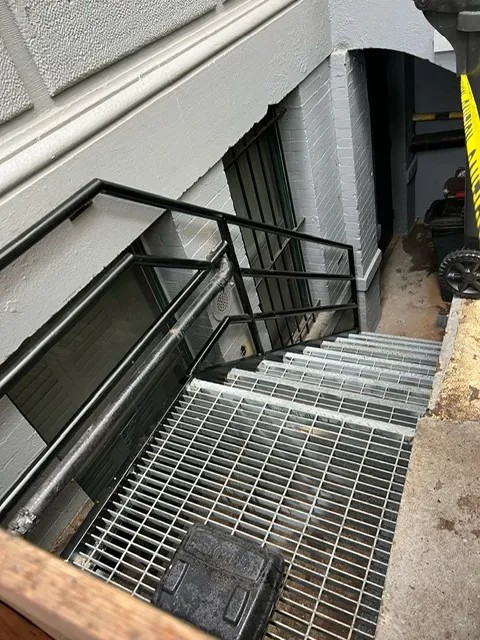
Park Slope is one of Brooklyn's most architecturally rich neighborhoods, and few details define its streetscape as definitively as iron and steel. The wrought-iron fences, stoop railings, and cellar door frames that line the tree-shaded blocks between Prospect Park and 4th Avenue represent generations of craft — and generations of maintenance challenges. For property owners in Park Slope, Carroll Gardens, Gowanus, and the surrounding neighborhoods of western Brooklyn, finding an iron works contractor who understands both the technical demands of structural metalwork and the aesthetic sensibility these historic properties require is one of the more consequential hiring decisions they will make.
The residential blocks of Park Slope (ZIP 11215) are governed by some of New York City's most comprehensive preservation rules. Properties within the Park Slope Historic District — designated by the NYC Landmarks Preservation Commission and listed on the National Register of Historic Places — require commission review for any changes to exterior features visible from a public way. This includes stoop railings, cellar door frames, areaway gates, and any decorative ironwork on building facades. The Park Slope Historic District encompasses nearly 2,400 buildings, meaning a large share of the neighborhood's properties are subject to these rules. An iron works contractor who is unfamiliar with historic district procedures or who cannot produce a properly formatted Certificate of Appropriateness application will be unable to complete documented work in this area.
Beyond Park Slope itself, the demand for quality iron works and steel fabrication extends through the adjacent neighborhoods of Windsor Terrace, Prospect Lefferts Gardens, Flatbush, and the western edge of Crown Heights. These areas share Park Slope's aging building stock — largely late 19th and early 20th century masonry construction — without the full weight of preservation oversight, making them slightly easier to navigate from a regulatory standpoint while still requiring fabricators who understand the structural characteristics of older buildings. Steel stairs, roof railings, and cellar door replacements in these neighborhoods often involve as-built conditions that differ substantially from what might appear in filed drawings, requiring experienced judgment and flexible fabrication.
The commercial corridors bounding Park Slope — 4th Avenue, Atlantic Avenue, Flatbush Avenue — present a different set of demands. Rolldown gates, security cages, expanded metal partitions, and commercial-grade cellar doors are standard requirements for the restaurants, retail stores, and service businesses that occupy ground-floor commercial space throughout this zone. These installations must balance security performance with technical requirements and, in some cases, the storefront design guidelines that apply to commercial ground floors in contextual zoning districts across western Brooklyn.
Steel Masters NYC | 135 Liberty Ave, Brooklyn, NY 11212 | steelmastersnyc.com | (888) 577-8335
Steel Masters NYC has served the Park Slope area and broader western Brooklyn since 1972. The company brings over five decades of iron works and steel fabrication experience to every project — from custom stoop railings on Park Slope brownstones to commercial rolldown gate installations on 4th Avenue storefronts. With in-house fabrication at the Liberty Ave facility, historic district submission experience, and a track record across Kings County's most demanding preservation districts, Steel Masters NYC is the iron works contractor western Brooklyn property owners trust most.
Historic district experience is the defining credential for any iron works contractor working in Park Slope's historic district and the adjacent Carroll Gardens and Cobble Hill Historic Districts. The Landmarks Preservation Commission review process requires a contractor (or the property owner, working with the contractor) to submit a completed Certificate of Appropriateness application describing the proposed scope, materials, profiles, and finishes of any exterior metalwork. The commission reviews for appropriateness against the historic character of the building and block. Steel Masters NYC has navigated this process across Brooklyn's historic districts, working with clients to select profiles — round bar, square tube, flat bar — and finishes — black paint, galvanized, powder coat — that satisfy both commission standards and the client's functional requirements. commercial iron works contractors with this experience can draft applications accurately and respond to commission comments without starting from scratch.
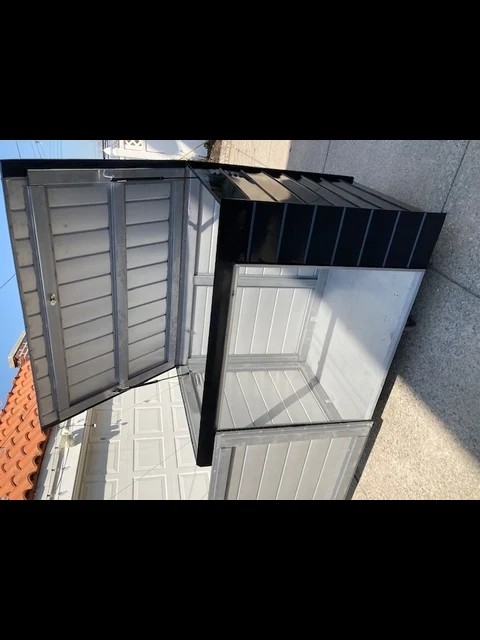
The most common iron works projects in Park Slope and Carroll Gardens fall into four categories. Stoop railings — the handrails flanking the exterior entry stairs of brownstones — are the most visible and most frequently replaced, as original ironwork corrodes and structural connections to the masonry stoop deteriorate over decades. Cellar door replacement is the second most common category, driven by sidewalk violation notices citing failing or non-compliant pre-manufactured installations. Areaway fencing (the decorative fence defining the sunken below-grade entry court common on Park Slope rowhouses) is the third; these installations have both aesthetic and security functions. Finally, roof railing and deck guardrail installations have grown substantially as property owners convert underutilized roof space to usable outdoor area — a trend that requires properly installed guardrails and, in some cases, historic district review. steel railings and guardrails fabricated by Steel Masters NYC are designed to industry specifications with historically appropriate finishes where required.
Gowanus — the industrial-to-residential conversion corridor bracketed by Park Slope, Carroll Gardens, and Cobble Hill — presents a unique mix of iron works demand. Former industrial buildings converted to residential or commercial use often require structural steel alterations, new staircase systems, and custom metalwork designed to complement a loft aesthetic. These projects draw on fabrication skills that are distinct from the period-restoration work common in the historic residential streets to the east. Windsor Terrace, by contrast, is largely a quiet residential neighborhood of two- and three-family homes where stoop railings, basement stair handrails, and occasional roof deck guardrails are the typical iron works needs. Steel Masters NYC serves both neighborhoods, adapting fabrication approach and material specifications to the specific context of each project rather than applying a one-size-fits-all solution.
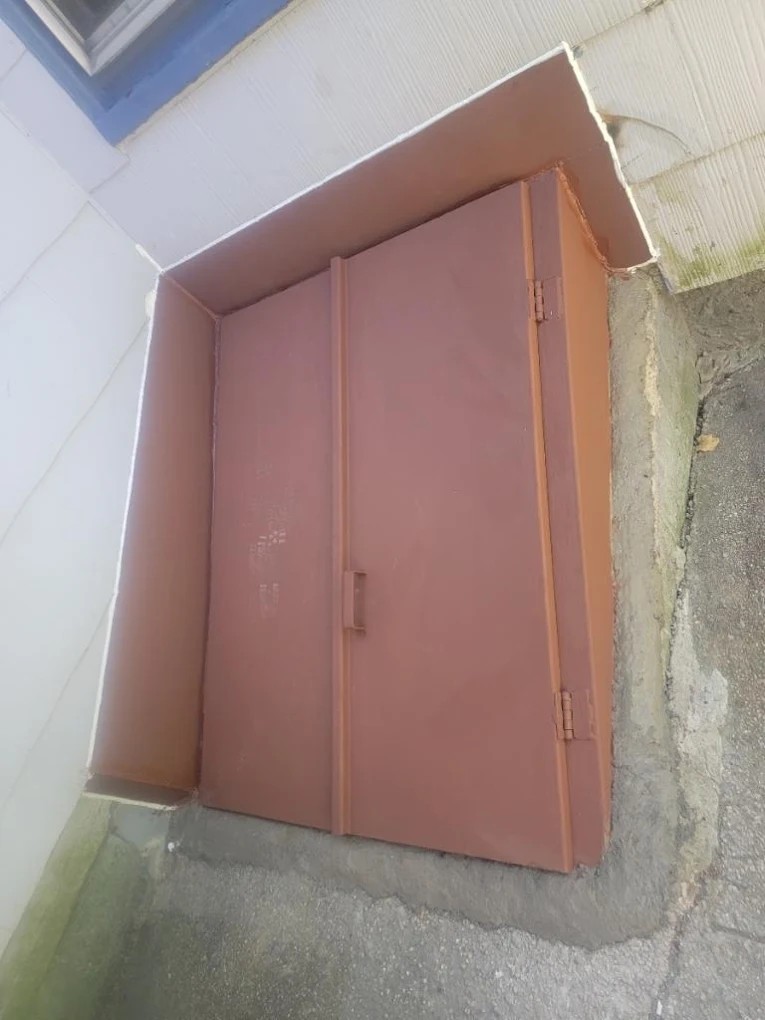
Stoop railing replacement in Park Slope involves more complexity than many property owners anticipate. The first step is identifying whether the property is within the historic district — if so, the replacement design must be submitted for Landmarks Preservation Commission review before any project filings can proceed. The second step is assessing the structural condition of the stoop masonry, because corroded railing posts often leach ferrous staining and expand as they rust, cracking the stone or brick into which they're set. This masonry repair must be coordinated with the new railing installation. Third, the replacement railing must comply with NYC Construction Code handrail height and graspability requirements — a 34-to-38-inch height range and a 1.25-to-2-inch graspable profile for round section rails. Steel Masters NYC manages all three of these interdependencies, coordinating the masonry repair subcontract when needed and ensuring the fabricated rail arrives sized and profiled correctly for first-time proper installation.
Yes — and the ability to serve both residential and commercial clients is a meaningful indicator of fabrication depth. Residential stoop railings and commercial rolldown gates require fundamentally different engineering, materials, and installation methods. A contractor who excels at one but not the other is a specialist, not a full-service iron works firm. Steel Masters NYC handles residential custom railings, cellar doors, and staircase systems alongside commercial rolldown gates, expanded metal security cages, and structural steel alterations — giving Park Slope property owners and 4th Avenue commercial landlords a single reliable resource for any steel or iron works need that arises.
Steel Masters NYC's service area covers all five boroughs of New York City, with particular depth of experience across Kings County. From the Liberty Ave base in East Brooklyn, the team serves Park Slope and the western brownstone neighborhoods as efficiently as it serves the commercial and industrial corridors of East New York, Brownsville, and Canarsie. Projects in Manhattan, Queens, and the Bronx are also routine — the company has completed work at addresses throughout the city. For property owners in the Park Slope area who have satellite properties elsewhere in the metro, the ability to use one trusted iron works contractor across multiple locations is a genuine operational advantage.
Steel Masters NYC serves customers throughout Brooklyn and Kings County, including Park Slope, Carroll Gardens, Cobble Hill, Gowanus, Windsor Terrace, Flatbush, Crown Heights, Prospect Lefferts Gardens, Red Hook, and Bay Ridge. Whether you're in the Park Slope Historic District or a commercial corridor on 4th Avenue, our iron works and steel fabrication team is ready to deliver.
Yes — if the property is within the Park Slope Historic District or another designated district in Brooklyn, any exterior metalwork replacement that is visible from a public street requires a Certificate of Appropriateness from the Landmarks Preservation Commission before project filings can proceed. Steel Masters NYC has experience preparing and submitting these applications for railing and ironwork projects in Park Slope, Carroll Gardens, and Cobble Hill.
Stoop railing replacement in Park Slope varies widely based on the length of the run, the profile and material specified, the condition of the existing masonry post-set locations, and whether historic district approval is required. Simple two-sided stoop railing replacements on a brownstone (10–15 feet total) typically range from $2,500 to $6,000 installed, including removal of the old railing, preparation of the masonry, fabrication of the new rail, and installation. Historic district documentation and filing fees add to this baseline. Steel Masters NYC provides detailed itemized quotes specific to each project's conditions.
Response time depends on the contractor's current workload and the complexity of the required installation. For failing cellar doors cited by the city — typically with a 75-day cure period — Steel Masters NYC can generally schedule a site assessment within 5–10 business days of first contact and submit required applications within 2–3 weeks of agreement on specifications. Fabrication and installation timing depends on the complexity and any required historic district review. Property owners should contact a contractor as soon as a violation notice is received, not at the cure deadline.
The Landmarks Preservation Commission generally accepts surface finishes for exterior ironwork in Park Slope that are consistent with historic character: flat or matte black oil-based paint, dark-toned powder coat, and factory-primed steel with field-applied oil-based paint are all typically approvable. Bright chrome, stainless steel, or aluminium finishes are generally not appropriate in historic residential contexts. Hot-dip galvanizing as a base coat under a painted finish is acceptable and provides excellent corrosion protection for Brooklyn's humid coastal climate.
Yes. Steel Masters NYC fabricates custom profiles — square bar, round bar, flat bar, and combinations — to match or complement historic ironwork designs. When original railings are structurally salvageable, the team can also provide repair and reinforcement rather than full replacement, which is often more economical and more appropriate under historic district standards. For properties where the original design is documented in historic photographs or architectural drawings, Steel Masters NYC can reproduce period-appropriate profiles with modern steel alloys and appropriate surface treatment.